April 15, 2026
Avengers: Endgame: Marvel's Biggest Movie
So you've either just finished watching Endgame, you're thinking about watching it, or you just want someone to break it all down for you. Either way, you're in the right place. Let's talk about this film properly no hype, no fluff, just a real breakdown of what makes this movie work.
What Is Endgame Actually About?
At its core, Avengers: Endgame is a heist movie wrapped inside a superhero epic.
After Thanos wiped out half of all life in the universe at the end of Infinity War, the remaining Avengers spend five years just... living with the loss. Then Ant-Man shows up with an idea what if they could use the quantum realm to travel back in time, collect the Infinity Stones before Thanos gets them, and use them to undo everything?
That's the mission. Simple enough on paper. Messy in execution which is exactly what makes it fun to watch.
The film is three hours long, but it splits pretty cleanly into three acts: the aftermath, the time heist, and the final battle. Each section has a completely different energy, and the Russo Brothers basically made three different movies and stitched them together. It shouldn't work as well as it does, but it pulls it off.
The Time Travel Rules (Because People Always Ask)
This is the part that trips most people up, so let's get into it.
Endgame uses what's called a "branching timeline" model. When the heroes go back in time and interact with the past, they don't change their timeline they create a new one. Think of it like a tree branch splitting off from the main trunk. The original events still happened. They're just creating alternate versions of history alongside it.
This is why Thanos from 2014 can show up in 2023 without paradoxes exploding everywhere. He's not the same Thanos from the main timeline he's a version from a branch that got created during the heist. Same guy, different thread.
Is it airtight? Not completely. There are a few moments that don't totally hold up under scrutiny Cap going back and living out his life quietly is one people debate constantly. But as far as blockbuster time travel logic goes, it's one of the more
thought-out versions you'll find.
The Time Heist Itself
This is the most entertaining stretch of the film, honestly. The Avengers split into teams and go back to different points in MCU history to grab each Stone.
You get callbacks to the Battle of New York from the first Avengers film, a detour to Asgard during Thor: The Dark World (easily one of the MCU's weaker entries, which the film itself kind of jokes about), and a trip to 1970s S.H.I.E.L.D. headquarters that gives Tony and Steve unexpected moments with their fathers.
What's clever about this section is that it doubles as a greatest hits tour of the MCU. If you've been watching since the beginning, there's something genuinely fun about revisiting these locations with a different context. And if you haven't seen every film, it still works you just catch fewer of the references.
Not everything goes according to plan, which is where the real drama kicks in. Specifically what happens on Vormir, where Black Widow and Hawkeye have to confront what getting the Soul Stone actually costs. That scene reframes their entire friendship in about ten minutes.
Thanos in This Film vs. Infinity War
One thing worth noting is that Thanos in Endgame is a different version of the character compared to Infinity War, and it shows in how he's written.
In Infinity War, Thanos had already carried out his plan. He was calm, almost philosophical about it he genuinely believed he was doing the right thing. That made him a compelling villain because he wasn't cartoonishly evil. He just had a horrifying worldview and the power to act on it.
The 2014 Thanos in Endgame hasn't done any of that yet. He learns about what his future self accomplished and decides he wants to do it but bigger. Wipe everything out and start fresh. He's more aggressive, more straightforward, less interesting as a character. Some people prefer the Infinity War version for that reason.
It's a deliberate choice by the writers. They needed a Thanos the heroes could actually defeat, which means dialing back some of what made him work so well the first time around.
The Scale of the Final Battle
There's not much to analyze here it's just an enormous sequence that delivers exactly what it promises.
After the Avengers compound gets leveled, the portals open up and basically every surviving hero from across the MCU arrives at once. Wakandan forces, the Guardians, the sorcerers, all of it. It's a thirty-minute battle that functions as a victory lap for the entire franchise.
The Russo Brothers had to coordinate hundreds of characters across what was essentially a massive visual effects construction project. For what it is, the action is surprisingly clear and easy to follow. Different pockets of the battle get their own moments you're not just watching chaos for thirty minutes straight.
The ending, specifically the final confrontation between Tony and Thanos, is the payoff the whole film is building toward.
How It Holds Up
Endgame came out in 2019 and became the highest-grossing film of all time, eventually landing at around $2.8 billion worldwide. Since then, the MCU has kept going some of it well received, a lot of it not and the franchise has lost some of the cultural momentum it had at this peak.
Watching Endgame now, you notice a few things. The pacing in the first act is slower than people remember. Some of the humor lands and some of it doesn't. A few of the character arcs feel rushed given the runtime already pushing three hours.
But the core of it the structure, the time heist concept, the final act payoff still holds up as genuinely well-crafted big-budget filmmaking. It did something no studio had done before it, and nothing has quite replicated it since.
Whether you're watching it for the first time or the fifth, that much is still true.
what's hot
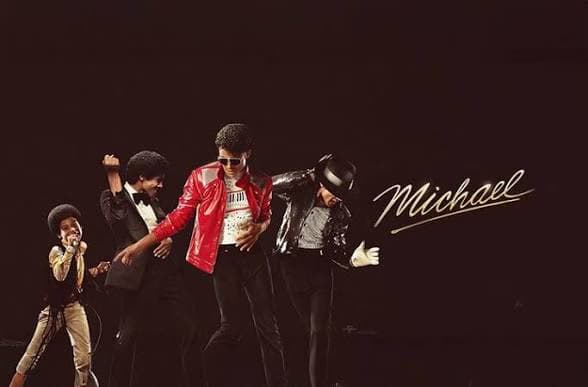
most popularMichael is much more than a movie about one of the world's greatest musicians. It's a heartfelt celebration of Michael Jackson's incredible journey, talent, and lasting impact on music. The film follows his rise from a gifted young performer in The Jackson 5 to becoming the King of Pop, while also showing the challenges and pressures that came with worldwide fame. Through Jaafar Jackson's remarkable performance, unforgettable music, and carefully recreated concerts, the movie reminds audiences why Michael became a global icon.
Okoh Raymond
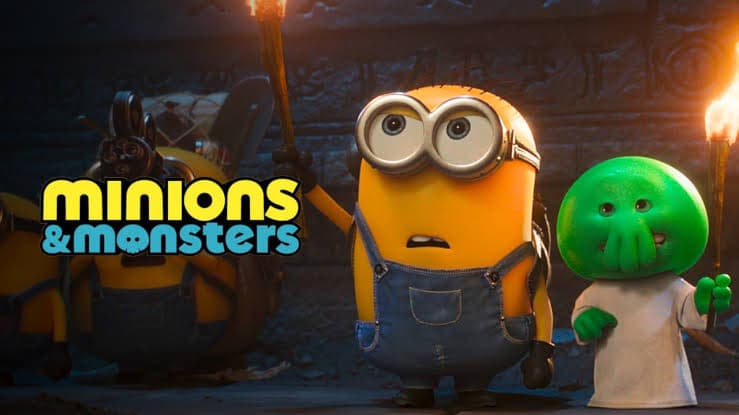
Minions & Monsters proves that the little yellow troublemakers still have plenty of life left in them. Set in the exciting world of 1920s Hollywood, the movie takes the Minions on a fresh adventure filled with movie-making, monsters, and their trademark chaos. While it may not be the strongest film in the franchise, it succeeds by staying true to what has always made the Minions so lovable: simple humor, expressive characters, and fun that the whole family can enjoy.
Okoh Raymond
The blog explores fun rainy-day activities such as watching movies, reading books, cooking, playing games, learning new skills, visiting indoor places, taking photographs, and spending time with family. It also explains how rain helps nature by making plants greener and supporting farmers and wildlife. At the same time, the article discusses the serious side of rainy season, especially flooding. Heavy rain can cause dangerous conditions, damage homes, and interrupt daily life, so safety should always come first. People should avoid walking or driving through floodwaters and stay informed during severe weather. In the end, the blog argues that rainy season is not something to complain about every day. Instead, it is a season that teaches us patience, helps us appreciate simple moments, and reminds us that even gray days can create beautiful memories. Rain may slow life down, but sometimes slowing down is exactly what we need.
Okoh Raymond
Discover by topic
categoriesChosen by the editor
editors choice