
June 23, 2026
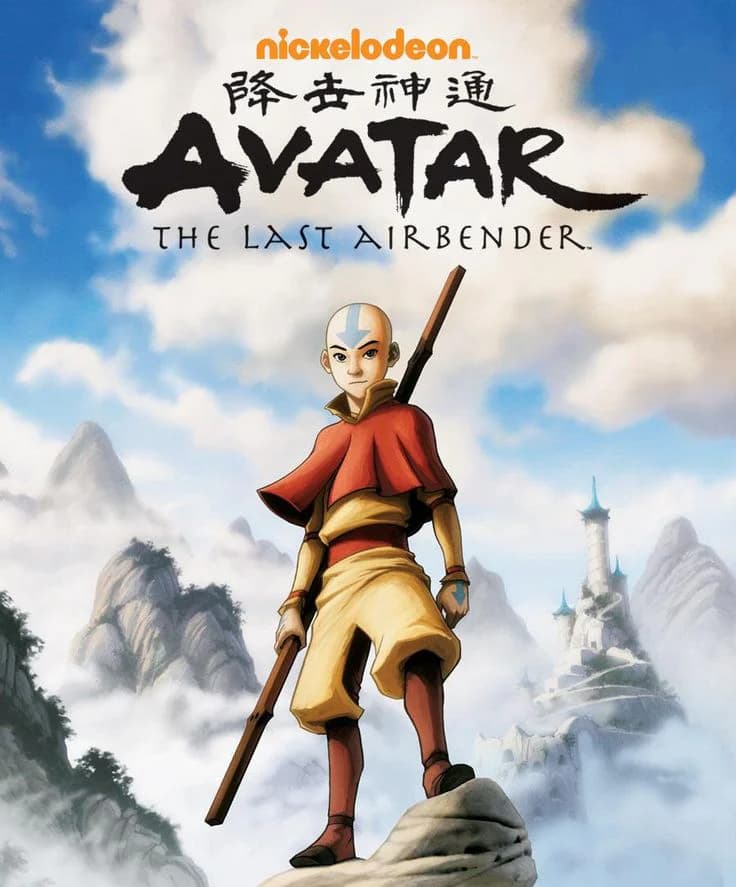
Avatar: The Last Airbender Is Still one of the Greatest Animated Series Ever Made
There's a particular kind of magic that happens when a piece of art refuses to let you outgrow it. You first watch it as a kid, and it's the coolest thing you've ever seen. Then you revisit it as an adult, and somehow it's even better. That's Avatar: The Last Airbender. That's the show. And if you're still sleeping on it in 2026, this post is your intervention.
It Knew Exactly What It Wanted to Be
Most animated shows aimed at kids make one fatal mistake: they underestimate their audience. They soften the edges, flatten the characters, and tie everything up in a bow because they assume children can't handle complexity. Avatar said no to all of that.
From episode one, the show operated with a clarity of vision that most live-action prestige dramas spend entire seasons trying to find. It knew it was telling a war story. It knew it was going to sit with grief and trauma and the weight of being chosen for something bigger than yourself. It knew Aang wasn't just a fun cartoon character he was a twelve-year-old boy carrying the guilt of a genocide he wasn't even conscious for.
That's not kid stuff. That's serious, honest storytelling. And it never once felt like it was trying to be edgy or dark for the sake of it. It was just true.
The World-Building Is Practically Unmatched
Say what you want about any fantasy franchise, but Avatar built one of the most coherent and culturally rich fictional worlds ever put to screen. The four nations, Water, Earth, Fire, Air weren't just aesthetic categories. They were fully realised civilisations with distinct architecture, food, clothing, philosophy, spiritual traditions, and political structures. The showrunners Michael DiMartino and Bryan Konietzko didn't pull this from thin air. They pulled it from deep research into East and Southeast Asian cultures, Inuit traditions, and martial arts practices, and the respect they brought to that process shows in every frame.
The bending styles alone are a masterclass in visual language. Waterbending is fluid, reactive, defensive it borrows from Tai Chi. Earthbending is grounded, stubborn, and direct rooted in Hung Gar kung fu. Firebending is aggressive, driven by breath and will shaped by Northern Shaolin. And Airbending is evasive, circular, always out of reach modelled on Ba Gua. Each style tells you something about the culture it comes from without a single line of exposition. That's storytelling craft operating at a genuinely high level.
The Characters Actually Grow
Here's the thing about Zuko: he might be the greatest character arc in the history of animation. Full stop.
When we meet him, he's the villain. Angry, exiled, obsessed with capturing the Avatar to restore his honour. You're supposed to root against him. But the show is too smart for that. Slowly, episode by episode, season by season, we get the full picture the abusive father, the dead mother, the weight of an empire's expectations on a teenager who just wanted to be loved. And the show doesn't let him off easy. Every time he's about to do the right thing, he flinches. He makes the wrong choice at Ba Sing Se, and it costs him. His redemption isn't handed to him. He earns it, messily, painfully, over the course of three seasons.
That kind of character work is rare in any medium.
And it's not just Zuko. Katara goes from a hopeful girl protecting her little brother to a young woman who nearly commits an act of cold-blooded revenge and the show holds space for both impulses without judging her. Toph is introduced as a comic relief bruiser and reveals herself to be one of the most emotionally layered characters in the cast. Even Sokka, the comic relief, gets an episode about loss and sacrifice that'll gut you if you're not ready for it.
It Took the Themes Seriously
Avatar is, at its core, a show about war. About what war costs. About how violence echoes across generations. About what it means to grow up in a world on fire.
Aang's central conflict isn't even "can he learn all four elements in time." It's deeper than that. He's a pacifist being asked to kill someone. He's an Air Nomad a people who were wiped out precisely because they were peaceful and the world needs him to become a weapon. The final season leans into this tension without blinking. The answer the show arrives at isn't a cop-out, but it respects Aang's identity rather than flattening it for a more dramatic climax.
There's also a quiet thread running through the series about imperialism about what happens when one nation decides its way of life is superior and exports it through conquest. Fire Lord Ozai isn't just a cartoon villain. He's an ideology. And the show draws a clear line between him and the ordinary Fire Nation people who were raised inside his propaganda. Characters like Zuko and Iroh are the argument that people can choose differently. That's not nothing.
Uncle Iroh Deserves His Own Essay
He just does. The man is warm tea in human form. He's grief that became wisdom. He's a retired general who chose, after losing his son, to become something softer and more useful. His relationship with Zuko is the emotional spine of the entire show. Every scene they share is operating on two or three levels simultaneously. When Iroh cries alone on his son's birthday in Ba Sing Se, animated or not, you feel it somewhere real.
Why It Still Matters
Avatar: The Last Airbender premiered in 2005 and finished in 2008. It's been almost twenty years. There have been sequels, spin-offs, a live-action adaptation, merchandise, retrospectives. None of it has touched the original.
Because the original knew something that a lot of storytellers forget: children deserve honesty. They deserve stories that take their emotions seriously and don't talk down to them. They deserve characters who fail and grieve and grow. They deserve world-building that treats other cultures with genuine curiosity and respect.
Avatar gave all of that, wrapped in one of the most joyful, funny, heartfelt adventure stories ever animated.
It's not a childhood favourite. It's a great piece of art. There's a difference and Avatar is proof that sometimes, something can be both at once.
what's hot
most popularSpider-Man: Brand New Day is more than just another superhero movie it proves that Spider-Man remains one of the most beloved characters in the world. The film became a global phenomenon almost immediately, crossing the $1 billion mark within days of its release and bringing audiences back to cinemas on a massive scale. Rather than relying only on action and spectacle, the movie focuses on Peter Parker's fresh start after the events of No Way Home, reminding viewers why Spider-Man has always been one of Marvel's most relatable heroes.
Okoh Raymond
Wistoria: Wand and Sword review a magic-less swordsman, a gorgeous academy setting, and a season two that finally earns its sincerity. Worth the watch?
Great E. Okpaloafe
Supergirl (2026) arrived with the difficult task of helping launch DC's new era, but its disappointing box office performance quickly sparked questions about the future of superhero movies. While many people judged the film by its ticket sales, I believe there's more to the story than the numbers. The movie introduces Kara Zor-El as a hero with her own personality, struggles, and emotional journey, proving that she is much more than just "Superman's cousin."
Okoh Raymond
Discover by topic
categoriesChosen by the editor
editors choice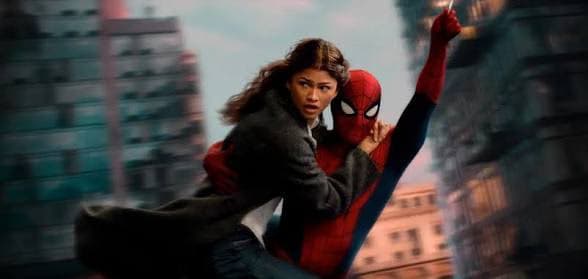
Okoh Raymond
19 days ago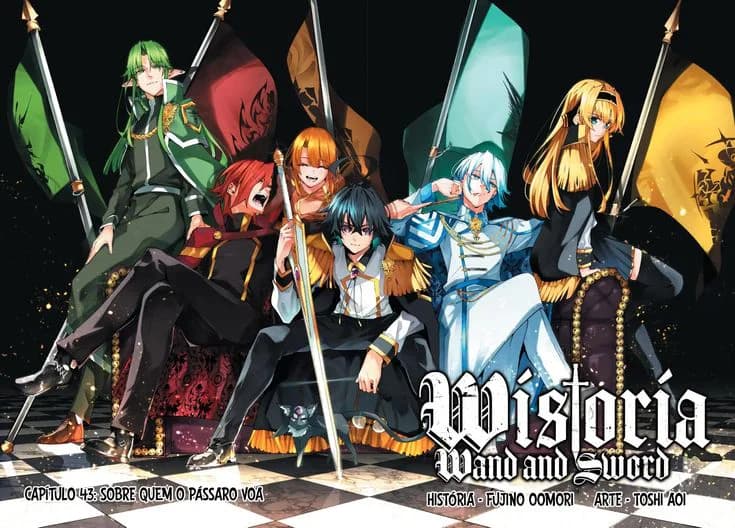
Great E. Okpaloafe
21 days ago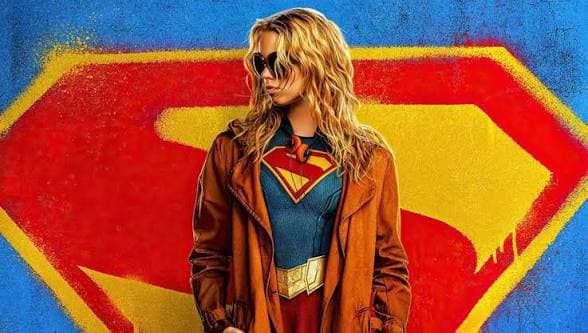
Okoh Raymond
23 days ago