
May 15, 2026
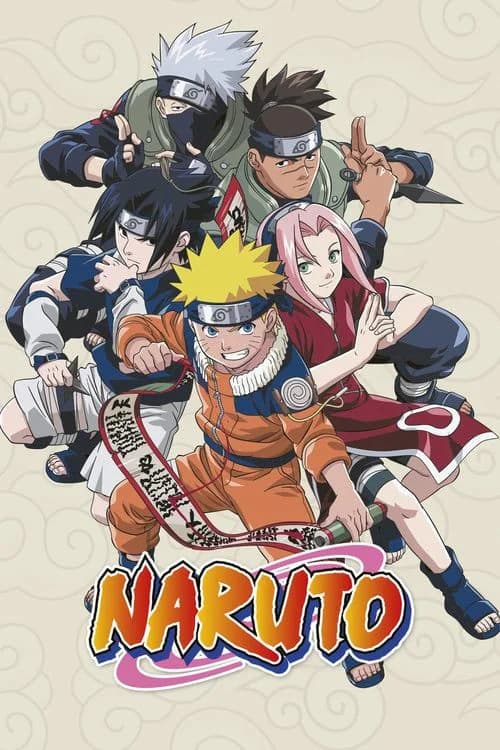
Naruto Isn't What You Think It Is. It Never Was.
I was maybe eleven or twelve when I first watched Naruto. Saturday morning, probably still in my pajamas, snacks within arm's reach, completely unprepared for what I was actually getting into. I thought I was watching a show about ninjas. Cool powers, funny characters, the underdog becoming a hero. Simple stuff.
Years later I still think about it. Not in a nostalgia fog kind of way in the way you think about something that actually got under your skin and stayed there.
Because here's what nobody tells you about Naruto, especially if you wrote it off as a kids' show or dropped it after the first few arcs: this thing is dark.
Genuinely, uncomfortably dark. And the people who slept on it missed one of the most emotionally honest stories to ever come out of that era of anime.
The Surface Is Deceptive On Purpose
Everything about Naruto's packaging screams children's entertainment. The bright orange jumpsuit. The loud, goofy protagonist who can't stop shouting about ramen and becoming Hokage. The Saturday morning time slots. The trading cards and lunch boxes.
But underneath all of that is a story that is fundamentally about pain who carries it, who passes it on, and whether anything can actually stop the cycle.
The village of Konoha, which is supposed to be the warm, safe home base of the entire story, sealed a monster inside a newborn child the night his parents died, then spent years treating that child like a threat. Naruto grew up invisible. Not dramatically, tragically invisible quietly, mundanely invisible. No birthday parties. No one checking on him. Just a kid learning to be loud because loud was the only thing that made people acknowledge he existed.
That backstory is handled so casually in the early episodes that it almost sneaks past you. But it tells us a lot about his character. The desperate need to be acknowledged. The refusal to give up on people. The almost irrational loyalty. None of it is just personality quirk it's survival behaviour from a child who had to build connection out of nothing.
The Villains Are the Thesis
You want to know how serious this show actually is? Look at who it chooses to make you understand.
Gaara is introduced as a monster. Terrifying, unstable, completely willing to kill. By the time the show is done with him you realise he is just Naruto with worse luck same loneliness, same isolation, but nobody showed up for him in time.
The show doesn't excuse what he does. It just makes sure you understand exactly how someone becomes that, step by step, with no dramatics about it.
Then there's Pain.
The Pain Arc is the centrepiece of the entire series and genuinely one of the most impressive pieces of storytelling in any animated medium. Pain destroys an entire village in what feels like twenty minutes of screen time it is shocking and brutal in a way that earns every minute of it. And then the show stops and lets him talk.
Not a villain speech. Not a rant. An actual conversation about what the world did to him and what conclusion he drew from it. Nagato grew up in war. Lost everyone. Was told that love and peace were worth fighting for and then watched that belief get destroyed in real time, repeatedly. By the time he becomes Pain he is not insane. He is someone who looked at the available evidence and reached a logical, horrifying conclusion.
You can disagree with him the show wants you to. But it never lets you dismiss him. Because it spent years making sure you understood how someone gets there.
That is not children's television. That is a level of moral seriousness most adult dramas do not bother with.
What It Gets Right That Most Stories Get Wrong
Naruto is obsessed with one question: what do you do with pain you didn't ask for?
Every major character is carrying something they inherited trauma from parents, from wars, from systems that used them and discarded them. The show traces every conflict back to its root with almost anthropological patience. Not to excuse anything. To understand it. And to ask whether understanding is enough to break the cycle or whether something more is required.
Naruto's answer and it would be corny if the show hadn't spent hundreds of episodes earning it is that someone has to decide to absorb the pain without passing it on. To refuse the logic of the cycle even when every reason in the world supports continuing it.
That is a heavy idea. The show carries it seriously.
My Honest Verdict
Naruto is not a perfect anime. The filler arcs in the middle stretch are real and they are rough. The pacing drags in places. The final war arc spreads itself too thin. These are fair criticisms.
But they are the criticisms you make of something that swung big and occasionally missed not something that was shallow to begin with.
If you watched it as a kid and remember it fondly, go back. You will be surprised how much of it you didn't have the vocabulary to process the first time around. If you never watched it because the packaging put you off, reconsider. Give it until the Chunin Exams and see how you feel.
It dressed itself in bright colours and loud comedy so you would let it in the door. And then it sat down and told you something real.
That is the oldest trick in storytelling. Naruto just happened to pull it off better than most.
what's hot
most popularMotor City is a gritty 1970s Detroit revenge thriller starring Alan Ritchson. The movie follows John Miller, a man whose life is destroyed after he is betrayed, framed for a crime and sent to prison. When he eventually gets out, he sets out to settle the score with the people responsible. What makes Motor City different is that it almost completely removes dialogue. Instead, the movie relies on music, action, facial expressions, sound and visuals to tell its story. That bold choice gives it a distinctive style, but it has also divided viewers.
Okoh Raymond
D23 2026 gave Disney fans a huge look at what's coming next across Disney, Marvel, Pixar and Star Wars. The biggest surprise for many fans was Frozen 3, which brings Elsa, Anna, Olaf and Kristoff back for another adventure. The story will include Anna and Kristoff's wedding, a mysterious new villain and a new chapter in the lives of the characters fans have loved for more than a decade.
Okoh Raymond
Spider-Man: Brand New Day is more than just another superhero movie it proves that Spider-Man remains one of the most beloved characters in the world. The film became a global phenomenon almost immediately, crossing the $1 billion mark within days of its release and bringing audiences back to cinemas on a massive scale. Rather than relying only on action and spectacle, the movie focuses on Peter Parker's fresh start after the events of No Way Home, reminding viewers why Spider-Man has always been one of Marvel's most relatable heroes.
Okoh Raymond
Discover by topic
categoriesChosen by the editor
editors choice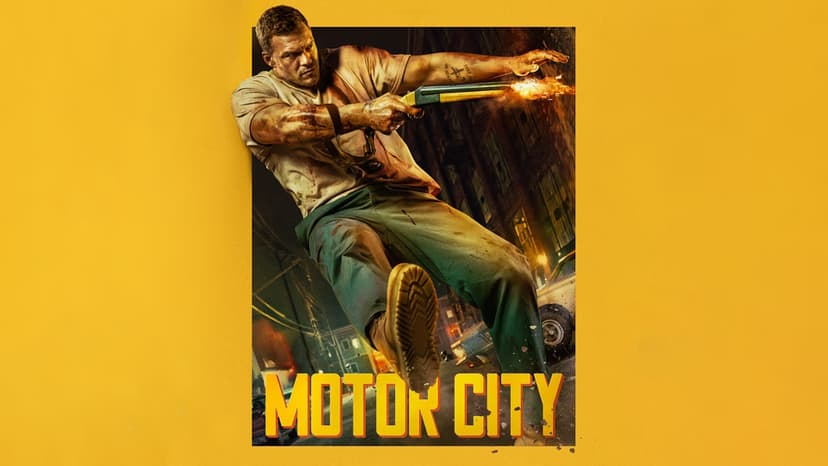
Okoh Raymond
17 minutes ago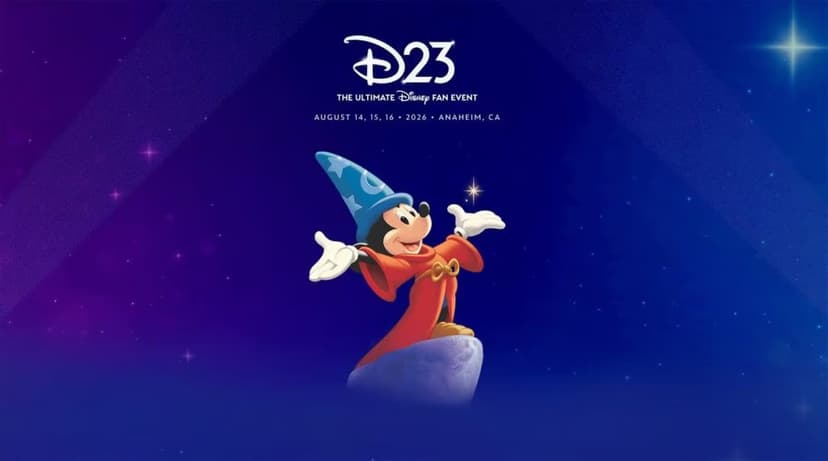
Okoh Raymond
37 minutes ago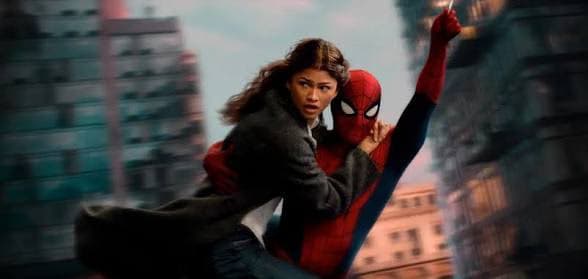
Okoh Raymond
25 days ago