
July 14, 2026
The End of PlayStation Discs? Why the Future of Gaming Has Fans Worried
My gosh there was a feeling you'd feel when you'd just walk into a Playstation store, picking up the game, tearing up the plastic and inserting the disc for the very first time. It felt like yes this game was truly mine. You could even have a game collection to show your friends or still keep growing your game collection. That experience is slowly disappearing. Rumours have been flying around that Sony would replace traditional physical media (disc) with digital download in 2028. While Sony has not officially announced that PlayStation will become completely digital by 2028, it's easy to see why many people think that's where things are heading. From my perspective, this isn't just about discs and downloads. It's about the future of game ownership, consumer rights, and whether players will truly control the games they spend their hard-earned money on. Imagine I walk into a game store to buy a game and instead of a disc version, they give me a code to type on my playstation and that's the only reliable way I can download my game. That means I won't be able to share the game with my friends or even have a growing physical disc collection.
You really don't have to look hard to see where the gaming industry is headed. The PlayStation 5 launched with two versions one with a disc drive, one that's completely digital. Then Sony released the PS5 Pro, which doesn't include a built-in disc drive. Instead, players who want physical games have to buy a separate disc drive accessory. That decision immediately sparked debate. Sony hasn't said they're abandoning physical games, but many fans see it as another step toward making digital gaming the new normal.
To be honest, companies really like the idea of digital games. There would be no printed cover, it'll be cheaper to distribute, no shipping trucks or retailers collecting their percentage and developers can also fix bugs without waiting for a new physical copy. Digital gaming isn't all that bad. Imagine your game releases at midnight, instead of driving and waiting long hours at a queue, you can just press download by the time you wake up your game is already ready. No scratches, no lost game cases, everything stays intact.
Now this is where things get difficult. When you buy a Playstation disc, you own the disc. Even if the gaming store happened to disappear, you'll still have ownership of that disc. But that does not apply to digital games. Imagine buying a game for $60 only to watch it disappear because of an account problem or licensing problem. If a game depends heavily on online servers especially multiplayer or live-service games and those servers are shut down, major parts of the game may stop working or disappear completely. We've already seen this happen with several online games over the years. The frustration isn't really about downloading games, it's about losing control. People worry that they won't be able to lend games to friends, they can't resell digital games, they can't build physical collections, prices stay high because there's less competition from used-game stores.
One of the most strangest developments is happening in Brazil. Their lawmakers and consumer advocates are really on Sony's neck right now. They've been discussing stronger policies for digital games and products. The idea is simple if companies sell a game, players shouldn't lose access without fair protections. Some proposals focus on game preservation, access after online services end, and clearer consumer rights for digital purchases. These discussions are still developing, and different proposals may change over time, but they've attracted global attention because they challenge how digital ownership works today. If stronger consumer-protection rules are adopted, other countries could eventually consider similar ideas.
I understand why Sony wants to expand digital gaming. It saves money, it's faster, it's convenient. But I don't think physical games should disappear completely. Not everyone has fast internet, not everyone wants to download 100 GB or more for every game. Some people enjoy collecting game boxes. Others like lending games to family or selling them after finishing. But weather we like it or not, the gaming world is headed in a different trajectory and we have to face that reality. I enjoy the convenience of digital downloads, but I don't think they should completely replace physical games. Having both options gives players freedom, and that's something worth protecting.
what's hot
most popularMotor City is a gritty 1970s Detroit revenge thriller starring Alan Ritchson. The movie follows John Miller, a man whose life is destroyed after he is betrayed, framed for a crime and sent to prison. When he eventually gets out, he sets out to settle the score with the people responsible. What makes Motor City different is that it almost completely removes dialogue. Instead, the movie relies on music, action, facial expressions, sound and visuals to tell its story. That bold choice gives it a distinctive style, but it has also divided viewers.
Okoh Raymond
D23 2026 gave Disney fans a huge look at what's coming next across Disney, Marvel, Pixar and Star Wars. The biggest surprise for many fans was Frozen 3, which brings Elsa, Anna, Olaf and Kristoff back for another adventure. The story will include Anna and Kristoff's wedding, a mysterious new villain and a new chapter in the lives of the characters fans have loved for more than a decade.
Okoh Raymond
Spider-Man: Brand New Day is more than just another superhero movie it proves that Spider-Man remains one of the most beloved characters in the world. The film became a global phenomenon almost immediately, crossing the $1 billion mark within days of its release and bringing audiences back to cinemas on a massive scale. Rather than relying only on action and spectacle, the movie focuses on Peter Parker's fresh start after the events of No Way Home, reminding viewers why Spider-Man has always been one of Marvel's most relatable heroes.
Okoh Raymond
Discover by topic
categoriesChosen by the editor
editors choice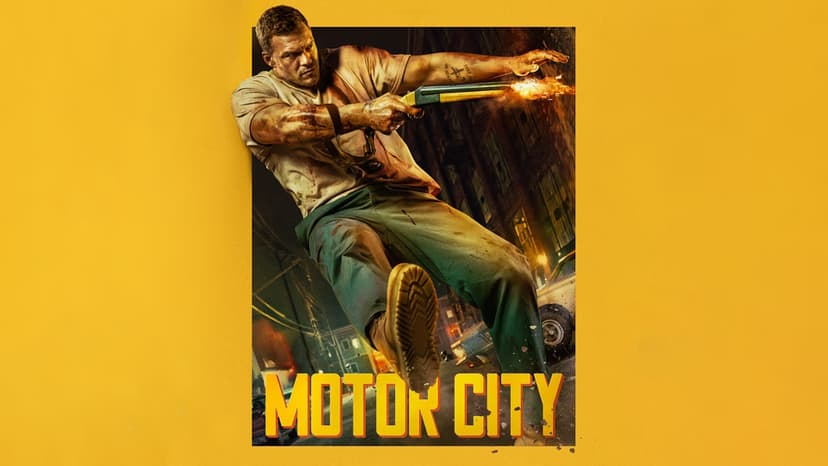
Okoh Raymond
18 minutes ago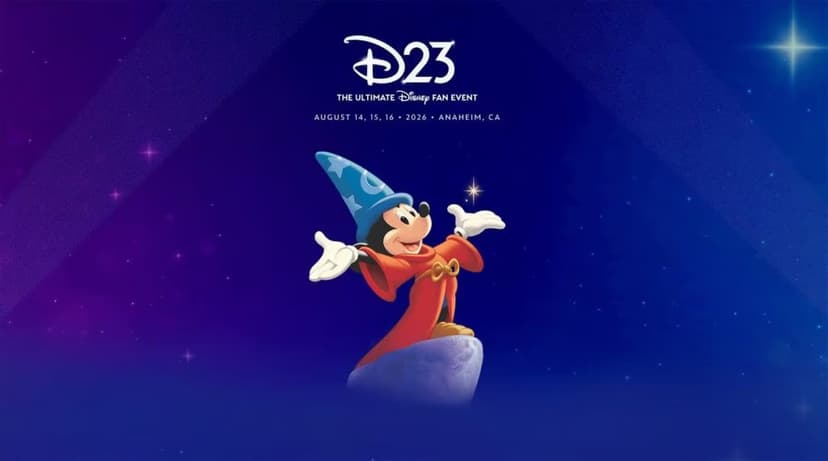
Okoh Raymond
38 minutes ago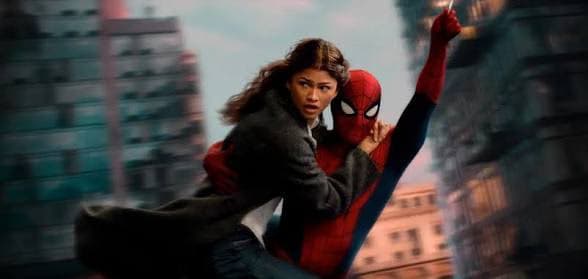
Okoh Raymond
25 days ago