
June 2, 2026
Some fruits you probably didn't know exist
You might prepare them as vegetables, but science reveals that these familiar foods are actually fruits.
Most tend to label foods as fruits or vegetables based on their culinary use. Sweet items like apples, peaches, and grapes are classified as fruits, while those used in salads, soups, and side dishes are seen as vegetables. However, this distinction becomes less clear when we consider botanical definitions.
From a scientific perspective, fruits arise from the flowering part of a plant and contain seeds, while vegetables come from other edible plant parts like roots, stems, leaves, or bulbs. As a result, many items we typically think of as vegetables are actually fruits, even if they don’t appear in fruit salads.
Here are 15 common foods that might actually be fruits:
**Tomatoes:**
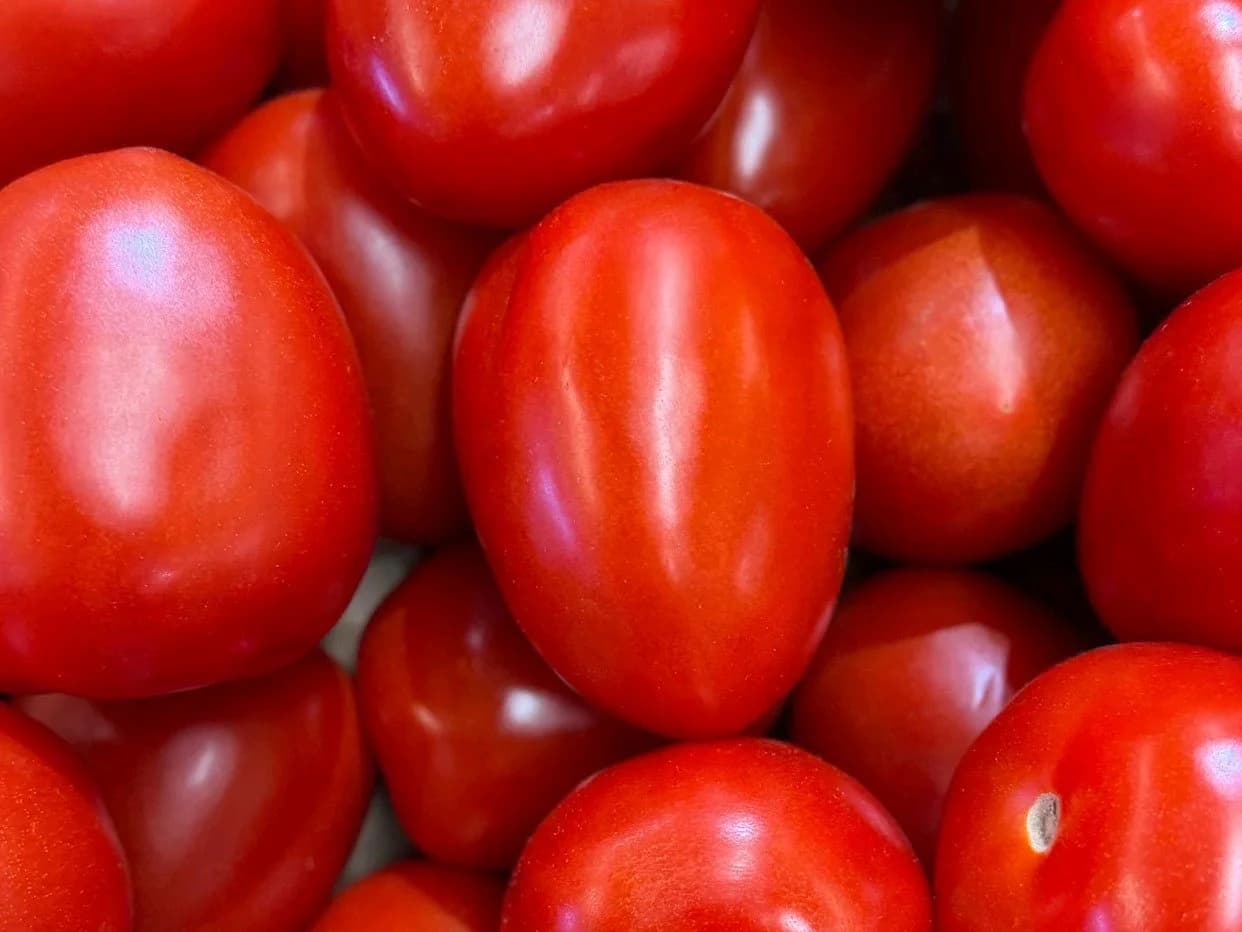
Tomatoes are a well-known example of a fruit masquerading as a vegetable. While they are usually found on sandwiches, in pasta sauces, or in salads, they're technically fruits since they grow from a flower and contain seeds. Botanically, they’re classified as berries due to their seed content.
**Cucumbers:**
Though cucumbers are staples in salads and sandwiches, they are also fruits because they develop from flowers and contain seeds.
**Bell Peppers:**
These colorful peppers, found in many savory dishes, are technically fruits as they come from flowering plants and have seeds inside them. Their sweet flavor is more pronounced when ripe, making them a popular choice for eating raw.
**Zucchini:**
Often treated as a vegetable in stir-fries and casseroles, zucchini is actually a fruit that develops from the flower of a plant and holds seeds inside.
**Eggplant:**
Though eggplants may appear more vegetable-like, they are indeed fruits because they develop from fertilized flowers and contain seeds.
**Olives:**
Commonly served with savory foods, olives are also classified as fruits. Each olive develops from a flower and has a pit that contains the seed, categorizing them as drupes, which are similar to peaches and cherries.
**Pumpkins:**
Often linked to gardens and autumn, pumpkins are technically fruits since each one grows from a flower and holds numerous seeds. They are part of the pepo fruit group, known for their thick rind.
**Avocados:**
Though typically used in savory dishes, avocados are fruits due to their classification as berries, containing a single large seed surrounded by fleshy fruit.
**Chili Peppers:**
Regardless of their spice level, chili peppers are fruits as they grow from flowering plants and contain seeds.
**Butternut Squash:**
Often used in soups and casseroles, butternut squash is actually a fruit, developing from the flowering part of the plant and containing seeds.
**Green Beans:**
Green beans are often categorized with vegetables, but they develop from flowers and contain seeds within elongated pods, making them fruits botanically.
**Peas:**
Similar to green beans, peas are seeds inside pods that grow from flowers, categorizing them as fruits despite their common use as vegetables.
**Okra:**
Okra, with its seed-filled pods, is easily classified as a fruit since the pods develop from flowers and contain numerous seeds.
**Sweet Corn:**
Corn can be confusing since it is defined differently depending on context, but botanically, each kernel is a fruit with a seed encapsulated in protective outer layers.
**Chayote:**
Not as well-known, chayote is another fruit mistaken for a vegetable. This pear-shaped member of the squash family grows from a flower and houses a large seed, yet its mild taste makes it popular in savory dishes.
what's hot
most popularSpider-Man: Brand New Day is more than just another superhero movie it proves that Spider-Man remains one of the most beloved characters in the world. The film became a global phenomenon almost immediately, crossing the $1 billion mark within days of its release and bringing audiences back to cinemas on a massive scale. Rather than relying only on action and spectacle, the movie focuses on Peter Parker's fresh start after the events of No Way Home, reminding viewers why Spider-Man has always been one of Marvel's most relatable heroes.
Okoh Raymond
Wistoria: Wand and Sword review a magic-less swordsman, a gorgeous academy setting, and a season two that finally earns its sincerity. Worth the watch?
Great E. Okpaloafe
Supergirl (2026) arrived with the difficult task of helping launch DC's new era, but its disappointing box office performance quickly sparked questions about the future of superhero movies. While many people judged the film by its ticket sales, I believe there's more to the story than the numbers. The movie introduces Kara Zor-El as a hero with her own personality, struggles, and emotional journey, proving that she is much more than just "Superman's cousin."
Okoh Raymond
Discover by topic
categoriesChosen by the editor
editors choice
Okoh Raymond
19 days ago
Great E. Okpaloafe
21 days ago
Okoh Raymond
23 days ago