
June 10, 2026
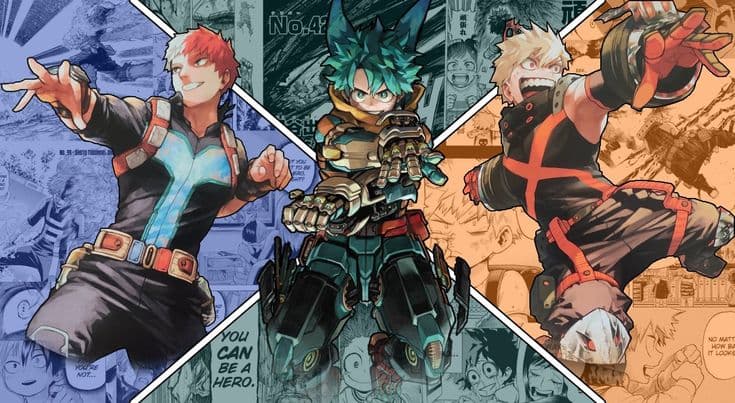
The Beginning of One For All - My Hero Academia Season 1 Review
There's a version of this show that could've been painfully generic. A kid with no powers in a world full of superheroes, discovers he's actually special, gets into the top school, becomes the protagonist. You've seen that blueprint a thousand times. And yet somehow, My Hero Academia Season 1 made me care in a way I wasn't expecting.
Let me tell you why.
The Setup Hits Different When You're the Underdog
Izuku Midoriya Deku is quirkless. In a world where 80% of the population has some kind of superpower, that's basically a death sentence for his dreams. He wants to be a hero. More specifically, he wants to be the hero. The number one. And everyone, including his own childhood friend, tells him to give it up.
Season 1 opens on that pain really cleanly. It doesn't rush past it. You feel the years of ridicule on Deku's shoulders before the plot even kicks in. And that emotional groundwork? It's what makes everything that follows land.
When All Might the greatest hero alive, walking, breathing symbol of peace tells Deku "you can be a hero," it's not just a cool moment. It earns its tears. Genuinely.
All Might Is Doing A Lot of Heavy Lifting (In The Best Way)
Let's talk about him because you can't review this season without it.
All Might is deliberately written as a relic. He's golden age, classic, almost cartoonishly powerful and that's the point. He represents an idea more than a person: the belief that a hero should make people feel safe just by existing. The reveal that he's actually running on fumes, barely holding his hero form together, reframes everything. His sacrifice isn't abstract. It's physical. It's daily.
Passing One For All to Deku isn't just a plot device. It's a theme. The question the show is really asking is: what does it cost to carry someone else's legacy?
Season 1 plants that question and walks away. You won't stop thinking about it.
U.A. High and the Classroom Dynamics
Once Deku gets into U.A. High School the Harvard of hero schools, basically the show shifts gears into something closer to a sports anime, and honestly? It works.
The class 1-A roster is stacked with personality. You've got Bakugo, Deku's explosion-powered bully-turned-rival who is somehow both insufferable and magnetic every single scene he's in. Uraraka, who has zero gravity powers and 100% of the heart. Iida, who runs like a bullet train and talks like a corporate email. Todoroki, who barely appears this season but already radiates "complicated backstory" energy from every pore.
The U.A. Sports Festival isn't here yet that's Season 2 but the Quirk Apprehension Test and the Battle Trial arc give you just enough of these characters to get attached. The show is smart about not overloading you. It introduces the class and trusts you to want more.
The USJ Arc Is When Things Get Real
The last chunk of Season 1 the League of Villains attack on the Unforeseen Simulation Joint is where the show stops being a fun school anime and reminds you that people can actually die in this world.
Shigaraki Tomura arrives and he's immediately unsettling. Not in a loud, theatrical villain way. In a something is genuinely wrong with this person way. His design alone is nightmare fuel hands all over his body, scratching at his neck, talking about destruction like it's a personal philosophy he's still working out. He's half-formed as a villain this season, which is actually more interesting than if he'd shown up fully baked.
The Nomu essentially a living weapon built to kill All Might is the season's most visceral moment. Watching All Might push past his limit to defeat it isn't triumphant in the clean way superhero stories usually are. It's desperate. It's a man burning through what little he has left. And the class watching it happen, including Deku, doesn't cheer. They stare.
That scene resets what kind of show this is.
What Season 1 Gets Right That Most Shonen Don't
Here's my actual take: Season 1 of MHA succeeds because it's disciplined. It doesn't try to do too much. It gives you one character's emotional arc Deku going from quirkless and crushed to a kid who finally belongs somewhere and it executes that arc cleanly from episode one to thirteen.
The animation from Bones is clean without being flashy for flashiness's sake. The score knows when to swell and when to hold back. The pacing doesn't drag. And the show trusts its own premise without constantly winking at you about it.
It's not perfect. Some of the supporting cast barely get a line this season. The villain side of things is still mostly setup. And if you came in expecting something as layered as Fullmetal Alchemist: Brotherhood right out of the gate, you might feel like Season 1 is prologue.
Because honestly? It kind of is.
But it's a great prologue.
Final Verdict
My Hero Academia Season 1 is the best version of a shonen origin story done right. It's earnest without being corny, emotional without being manipulative, and exciting without relying on spectacle alone. It sets up a world, a hero, and a question worth following for seasons on end.
If you slept on it because the premise sounded generic that's fair. But give it three episodes. Deku's first real run in his hero costume will do the rest.
Rating: 8.5/10
what's hot
most popularSpider-Man: Brand New Day is more than just another superhero movie it proves that Spider-Man remains one of the most beloved characters in the world. The film became a global phenomenon almost immediately, crossing the $1 billion mark within days of its release and bringing audiences back to cinemas on a massive scale. Rather than relying only on action and spectacle, the movie focuses on Peter Parker's fresh start after the events of No Way Home, reminding viewers why Spider-Man has always been one of Marvel's most relatable heroes.
Okoh Raymond
Wistoria: Wand and Sword review a magic-less swordsman, a gorgeous academy setting, and a season two that finally earns its sincerity. Worth the watch?
Great E. Okpaloafe
Supergirl (2026) arrived with the difficult task of helping launch DC's new era, but its disappointing box office performance quickly sparked questions about the future of superhero movies. While many people judged the film by its ticket sales, I believe there's more to the story than the numbers. The movie introduces Kara Zor-El as a hero with her own personality, struggles, and emotional journey, proving that she is much more than just "Superman's cousin."
Okoh Raymond
Discover by topic
categoriesChosen by the editor
editors choice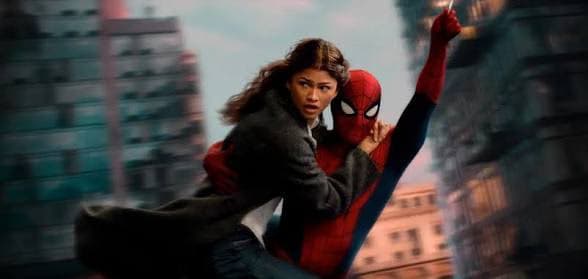
Okoh Raymond
19 days ago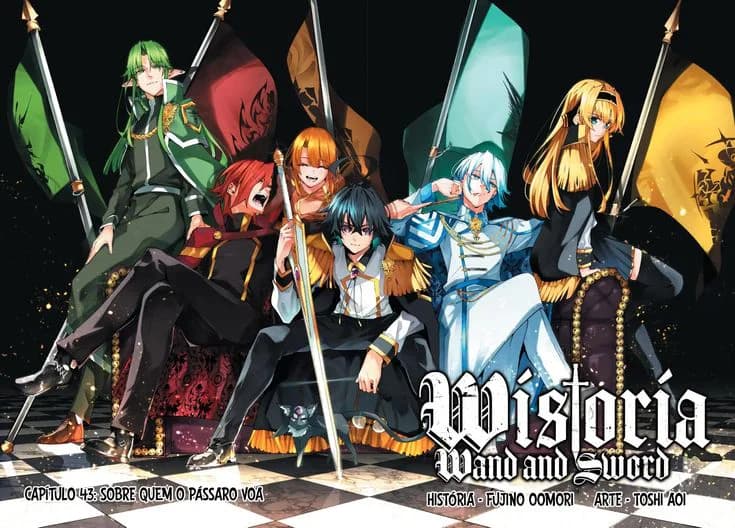
Great E. Okpaloafe
21 days ago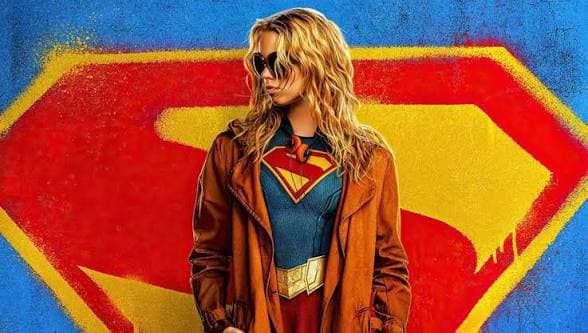
Okoh Raymond
23 days ago