
August 4, 2026
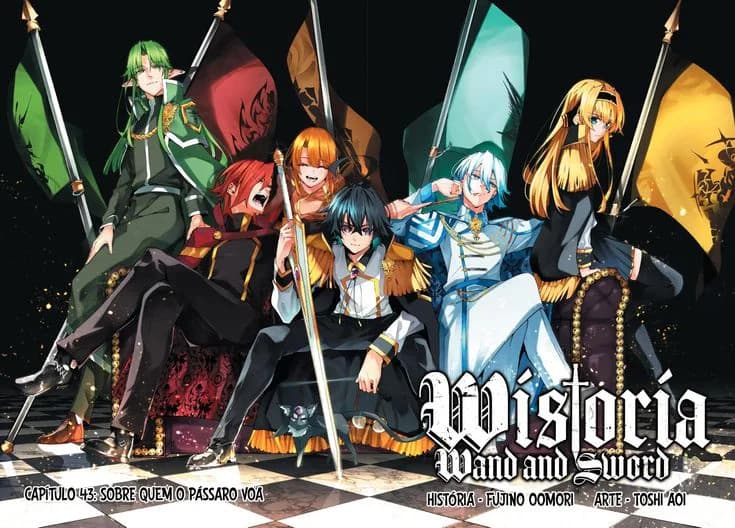
Wistoria: Wand and Sword: Proof That "Neither Alone Is Enough" Actually Works
Let's get the elevator pitch out of the way: Will Serfort enrolls at a magic academy in a world where magic decides your entire worth as a human being, and he can't cast a single spell. What he can do is cut down monsters that trained mages can't touch, using nothing but a sword and pure stubbornness. If your brain immediately went "so it's Harry Potter, but the kid failed all his classes and picked up a katana instead," congratulations, you've basically summarized season one.
And look, that's not an insult. Wistoria knows exactly what shelf it's sitting on somewhere between magic-school power fantasy and Mashle-style "what if the chosen one just hit things" comedy and it doesn't pretend otherwise. What separates it from the pile is that it plays the premise completely straight. No wink at the camera, no parody framing. Will's underdog arc is earnest, his promise to reunite with his childhood friend Elfaria is earnest, and the show trusts that earnestness to carry the weight instead of hiding behind irony. That's a risk. It mostly pays off.
The world-building is thin, but the world itself is fun to look at. The core hook mages ranked by power, sword-users treated as second-class citizens by default never gets explored with much rigor. You won't walk away with a detailed theory of how this magic system actually works, and the political stuff around the ruling Magia Vander mostly stays in the background. But the academy itself, the tower Will's ultimately working toward, the monster-infested dungeons the students train in all of it is dressed up well enough that you don't mind the lore staying vague. This is a show that wants you feeling the setting more than studying it, and for the most part that's a fair trade.
The production is doing a lot of heavy lifting, and I mean that as a compliment. Actas and Bandai Namco Pictures clearly weren't playing around with the budget here. The magic academy setting is gorgeous, the color work is vibrant without being garish, and the fight choreography especially anything involving Will actually channeling magic through his sword has a real sense of weight and impact that a lot of "generic protagonist beats generic system" shows don't bother earning. If you're the type who watches anime partly for the animation itself, this is one of those series where the visuals are genuinely doing more storytelling than the script is. The score backs this up too, leaning orchestral and a little melodramatic in exactly the way this kind of coming-of-age fantasy wants.
Because the script, especially in season one, is where the cracks show. Will is a likable enough lead, but "hardworking boy nobody believes in" is not a character trait, it's a starting position, and for a chunk of the first season he doesn't get much past it. The side cast largely exists to either doubt him or believe in him, and the "magic supremacy" social commentary the show gestures at never really goes anywhere sharp it's more mood than message. Even Elfaria, the entire emotional engine of Will's motivation, spends most of season one as an idea he's chasing rather than a person on screen.
Season two is where things get interesting. The tone gets noticeably darker and bloodier there's a sequence early on that pulls zero punches, and it recontextualizes what had been a fairly cozy academy show into something with actual stakes. Will and his roommate Julius go through a training arc built around something the show calls the "Second Bloom," which sounds like filler-arc nonsense on paper but ends up paying off hard when Will's blade gets shattered mid-fight against one of the season's nastier monster threats and he has to find another way to want to keep fighting. More importantly, the writers finally slow down and let Will, Elfaria, and the supporting cast breathe as people instead of archetypes this is the stretch of the show where I actually started caring what happened to them, rather than just enjoying the fights they were having.
The show also leans harder into its "wand alone and sword alone are both incomplete" theme, which sounds like a throwaway line but ends up being the actual emotional spine of the finale the idea that Will's whole arc isn't about proving swords are better than magic, it's about proving that refusing to be just one thing is the point. By the time graduation rolls around and Will's finally standing at the base of the tower Elfaria's been waiting in, the show has earned a little more sincerity than it had any right to based on episode one alone.
The verdict: if you go in expecting the second coming of Frieren, you'll be disappointed the plotting is comfortable, the villain motivations are thin, and there's nothing here reinventing the magic-academy wheel. But if you want a show that looks incredible, commits fully to its premise, and actually uses its sophomore season to deepen rather than just extend its story, Wistoria earns its spot. I'd put it a notch above "solid seasonal comfort watch" and just short of "essential." Three sword-swings out of five turning into four by the finale.
Watch it if: you liked Mashle but wanted the stakes to feel real, or you're a sucker for "the underdog was right the whole time" payoffs done with genuinely great animation.
Skip it if: you need your magic-school anime to be doing something structurally new this one's happy being excellent at the familiar.
what's hot
most popularSpider-Man: Brand New Day is more than just another superhero movie it proves that Spider-Man remains one of the most beloved characters in the world. The film became a global phenomenon almost immediately, crossing the $1 billion mark within days of its release and bringing audiences back to cinemas on a massive scale. Rather than relying only on action and spectacle, the movie focuses on Peter Parker's fresh start after the events of No Way Home, reminding viewers why Spider-Man has always been one of Marvel's most relatable heroes.
Okoh Raymond
Wistoria: Wand and Sword review a magic-less swordsman, a gorgeous academy setting, and a season two that finally earns its sincerity. Worth the watch?
Great E. Okpaloafe
Supergirl (2026) arrived with the difficult task of helping launch DC's new era, but its disappointing box office performance quickly sparked questions about the future of superhero movies. While many people judged the film by its ticket sales, I believe there's more to the story than the numbers. The movie introduces Kara Zor-El as a hero with her own personality, struggles, and emotional journey, proving that she is much more than just "Superman's cousin."
Okoh Raymond
Discover by topic
categoriesChosen by the editor
editors choice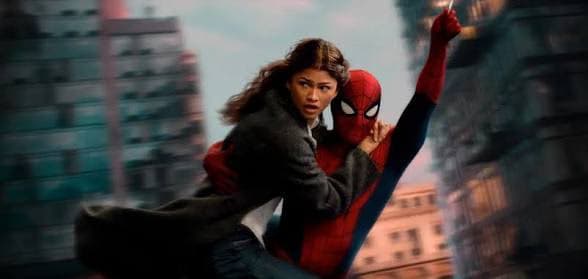
Okoh Raymond
17 days ago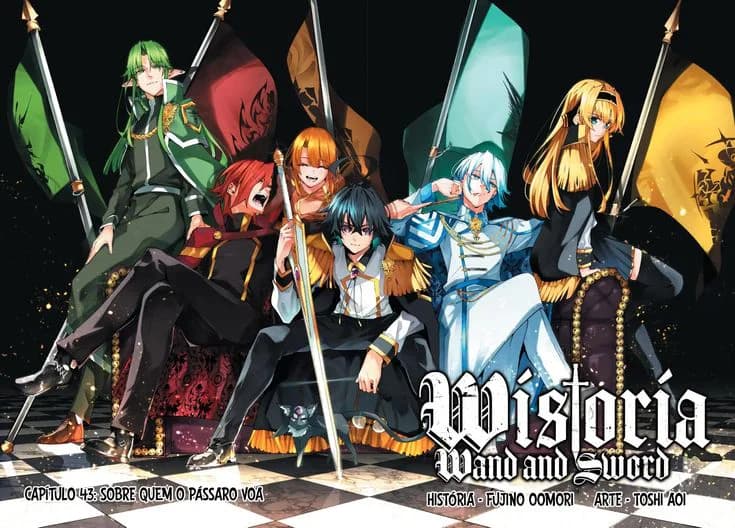
Great E. Okpaloafe
19 days ago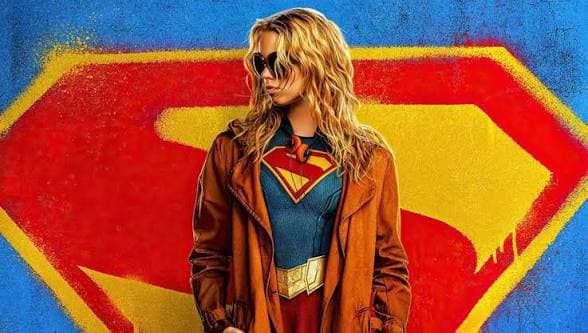
Okoh Raymond
22 days ago